The Asado Isn't About the Meat

Reading time: 5 min
Tags: culture, food, traditions
An Argentine asado takes four to six hours. The actual eating is maybe forty-five minutes. If you think this is inefficient, you've missed the point entirely.
What You're Actually Attending
An asado is a social technology. The extended cooking time creates a container for something else to happen — conversation, argument, gossip, reconciliation, flirtation, the slow consolidation of friendships. The meat is the excuse. The fire is the focal point. The gathering is the thing.
The asador (grill master) has a job that looks like cooking but is actually hosting. They arrive first, stay near the fire, and provide a fixed point around which the party orbits. People drift over, offer commentary, hand over a beer, drift away. This rhythm repeats for hours.
The Rough Sequence
Hour one: The fire gets built, the coals develop. Nothing is cooking yet. This is drinking and setup time.
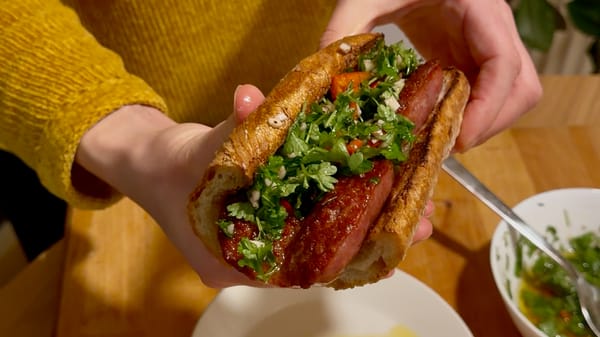
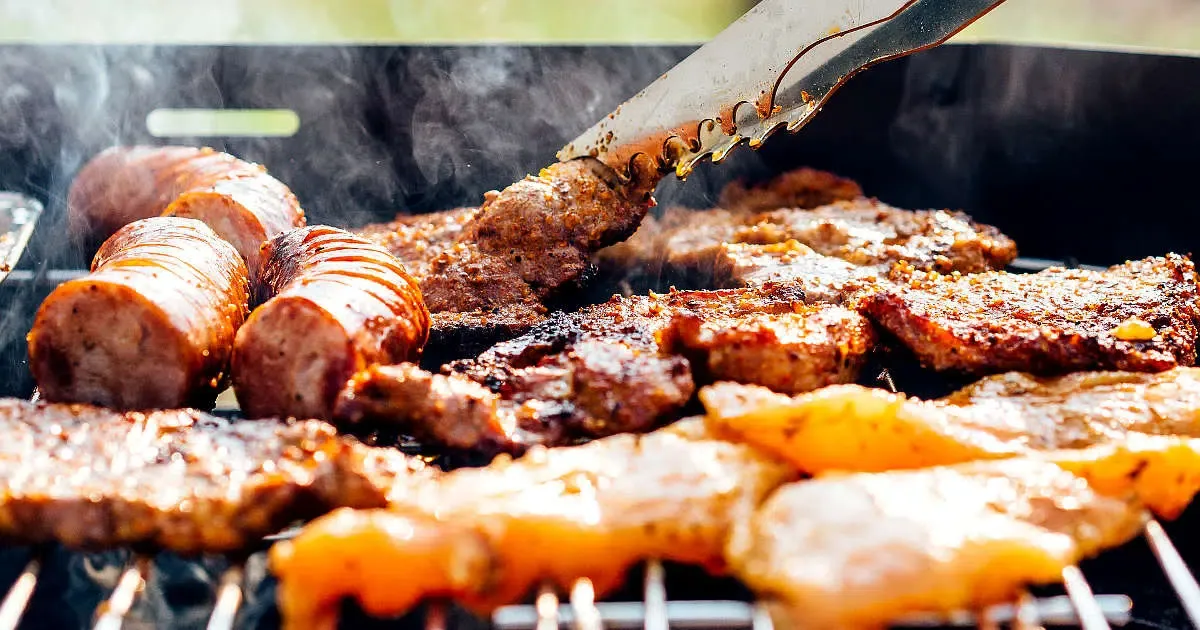
Hour two: Achuras go on first — organ meats, blood sausage (morcilla), sweetbreads (mollejas), chorizo. These are appetizers, served on bread, eaten standing around the grill.
Hours three and four: The main cuts cook slowly. Asado de tira (short ribs), vacío (flank), entraña (skirt steak). Arguments about timing and technique are mandatory.
Hour five: Eating happens. Then more eating. Then someone mentions there's more coming and everyone groans.
Hour six onward: Sobremesa — the post-meal lingering that might last longer than the meal itself. Coffee, dessert, digestifs, more conversation.
If You're Invited to One
Bring wine (Malbec is safe) or beer or fernet. Arriving empty-handed is noted. Offer to help with exactly nothing related to the grill unless explicitly asked — the asador's domain is sacred. Do help carry plates, set tables, make salads.
Eat what's offered, including the organ meats. You don't have to love morcilla, but refusing it without trying it is an insult. Ask questions about the meat, the fire, the technique. These questions are welcome; they acknowledge the skill involved.
Finding One As a Tourist
Restaurants serve "asado" but it's not the same — you're getting the food without the ritual. To experience the real thing, you need an invitation. This is where staying in apartments, using Couchsurfing, or befriending Argentines at hostels pays off. Mention that you've never been to an asado and want to understand it. Someone will eventually invite you. When they do, clear your entire day.
The Deeper Thing
Every culture has some version of this — food preparation as an excuse for extended presence. The Argentine contribution is making it explicit, ritualized, and frankly inconvenient enough that participation requires commitment. You can't drop by an asado for twenty minutes. You're in or you're out. This friction is a feature.
Been to an Argentine asado? Tell us what surprised you most about the experience.